The Kedarnath Badrinath Yatra is a sacred pilgrimage in the Indian state of Uttarakhand, nestled in the majestic Himalayan mountains. This yatra involves visiting two prominent Hindu temples, Kedarnath and Badrinath, both dedicated to Lord Shiva and Lord Vishnu, respectively. The journey is not just a physical one; it is a spiritual odyssey that attracts pilgrims from across the country seeking divine blessings and inner peace.The journey typically begins with a visit to Kedarnath, one of the twelve Jyotirlingas and a significant site for devotees of Lord Shiva.
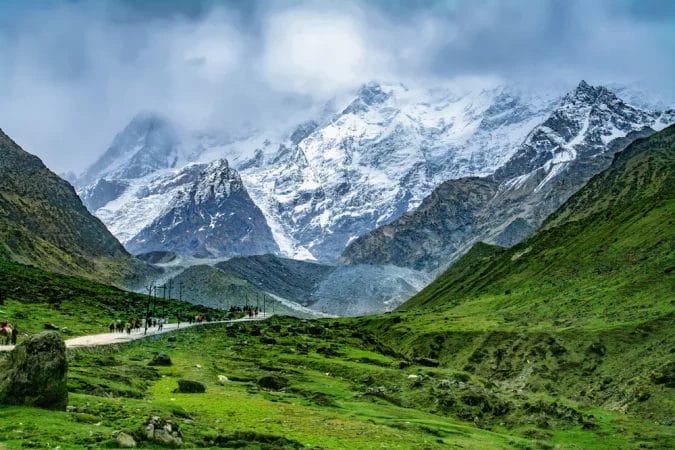
The Kedarnath temple is situated at an elevation of around 3,583 meters (11,755 feet), surrounded by the breathtaking snow-capped peaks of the Garhwal Himalayas. Pilgrims usually start from the town of Gaurikund and trek along a challenging route, passing through picturesque landscapes and serene meadows.The temple itself is an architectural marvel, believed to have been constructed by the Pandavas of the Mahabharata fame. It is a stone edifice adorned with intricate carvings and sculptures. The air resonates with the sound of hymns and bells as devotees engage in prayer and rituals.
The Kedarnath Yatra is not only about reaching the temple but also about the arduous journey that tests the pilgrims' determination and devotion. Following the spiritual sojourn at Kedarnath, the yatra continues towards Badrinath, situated at an altitude of approximately 3,133 meters (10,279 feet). This temple is dedicated to Lord Vishnu and is one of the Char Dham pilgrimage sites. The route to Badrinath takes pilgrims through picturesque landscapes, crossing rivers and navigating mountainous terrain. The Badrinath temple is a significant pilgrimage site, attracting devotees with its distinctive architecture and rich religious history. The main deity, Lord Badri Vishal, is worshipped here in a meditative pose. The temple is surrounded by the Neelkanth Peak, adding to the spiritual ambiance. Pilgrims often take a holy dip in the Tapt Kund, a natural hot spring believed to have healing properties.
The Kedarnath Badrinath Yatra is not merely a physical journey; it is a profound spiritual experience that tests the pilgrims' faith, determination, and endurance. The challenging trekking routes, unpredictable weather conditions, and high altitudes make the yatra physically demanding. Pilgrims, often guided by unwavering faith, traverse through these challenges, considering them as a part of their spiritual quest.
The journey also provides an opportunity for introspection and self-discovery. Surrounded by the serene beauty of the Himalayas, pilgrims find solace and connect with their inner selves. The yatra is not just about reaching the temples but also about the transformation that occurs within the pilgrims as they navigate through the spiritual and physical challenges.
The Kedarnath Badrinath Yatra is deeply ingrained in the cultural fabric of India. It is not only a religious pilgrimage but also a cultural and social event that brings people from diverse backgrounds together. Pilgrims engage in devotional singing, share stories of their faith, and participate in collective prayers, fostering a sense of unity and communal harmony.
The yatra is marked by various rituals, including the offering of prayers, performing aartis, and participating in the recitation of sacred texts. The traditions associated with the yatra have been passed down through generations, creating a cultural continuum that binds the participants with their spiritual heritage.
The Kedarnath Badrinath Yatra is more than a physical journey to two revered temples in the Himalayas. It is a transformative experience that combines the challenges of the trek with the spiritual quest for divine blessings and inner peace. This sacred pilgrimage holds immense cultural and religious significance, attracting devotees who seek a deeper connection with their faith amidst the awe-inspiring landscapes of the Himalayas. The yatra, with its rituals, traditions, and challenges, serves as a testament to the enduring spiritual quest that has drawn pilgrims for centuries to these sacred abodes.